
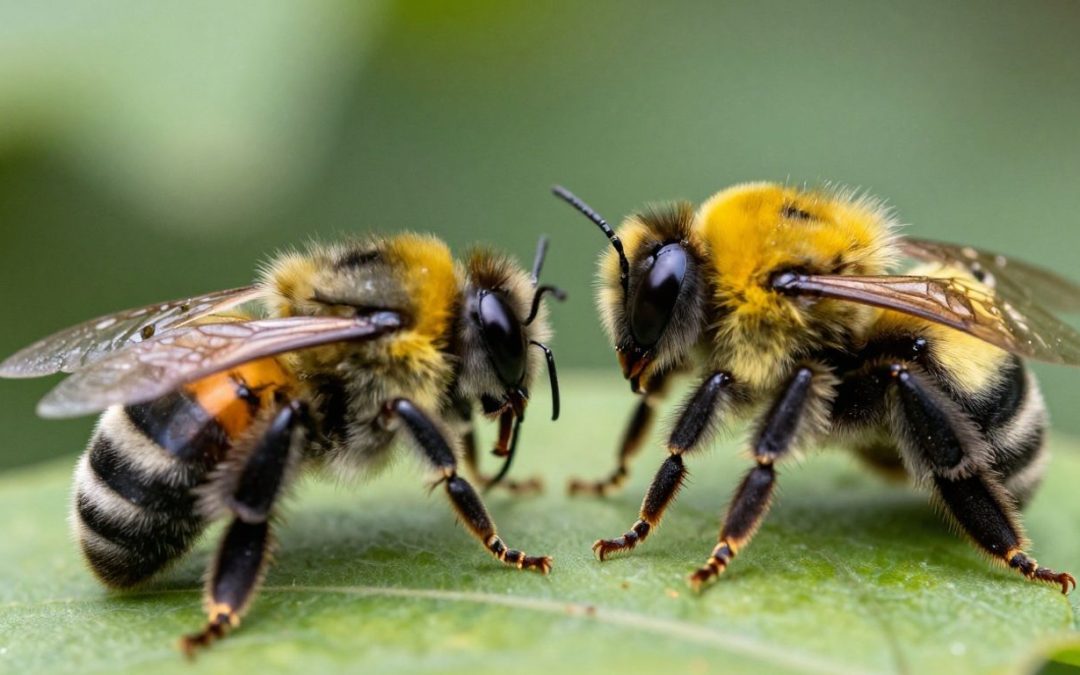
So, you’ve seen some big buzzing bees around your place, and you’re not sure what’s what? It’s easy to get carpenter bees and bumble bees mixed up, but they’re actually pretty different. One likes to drill into your wood, and the other? Well, they’re usually more interested in flowers and nesting underground. Knowing the difference is key, especially if you’re worried about your deck or just want to avoid an unexpected sting. Let’s break down the carpenter bee vs bumble bee situation.
Understanding the Difference: Carpenter Bee vs Bumble Bee
It’s pretty common to get these two types of big, buzzing bees mixed up, especially when you see them around your home. But knowing the difference between a carpenter bee and a bumble bee is actually pretty important, mostly because of what they do and how they act. One drills into wood, and the other is more interested in flowers and nesting underground. Let’s break down how to tell them apart.
Physical Appearance: How to Tell Them Apart at a Glance
The easiest way to spot the difference is by looking at their bellies. It’s a pretty clear distinction once you know what to look for.
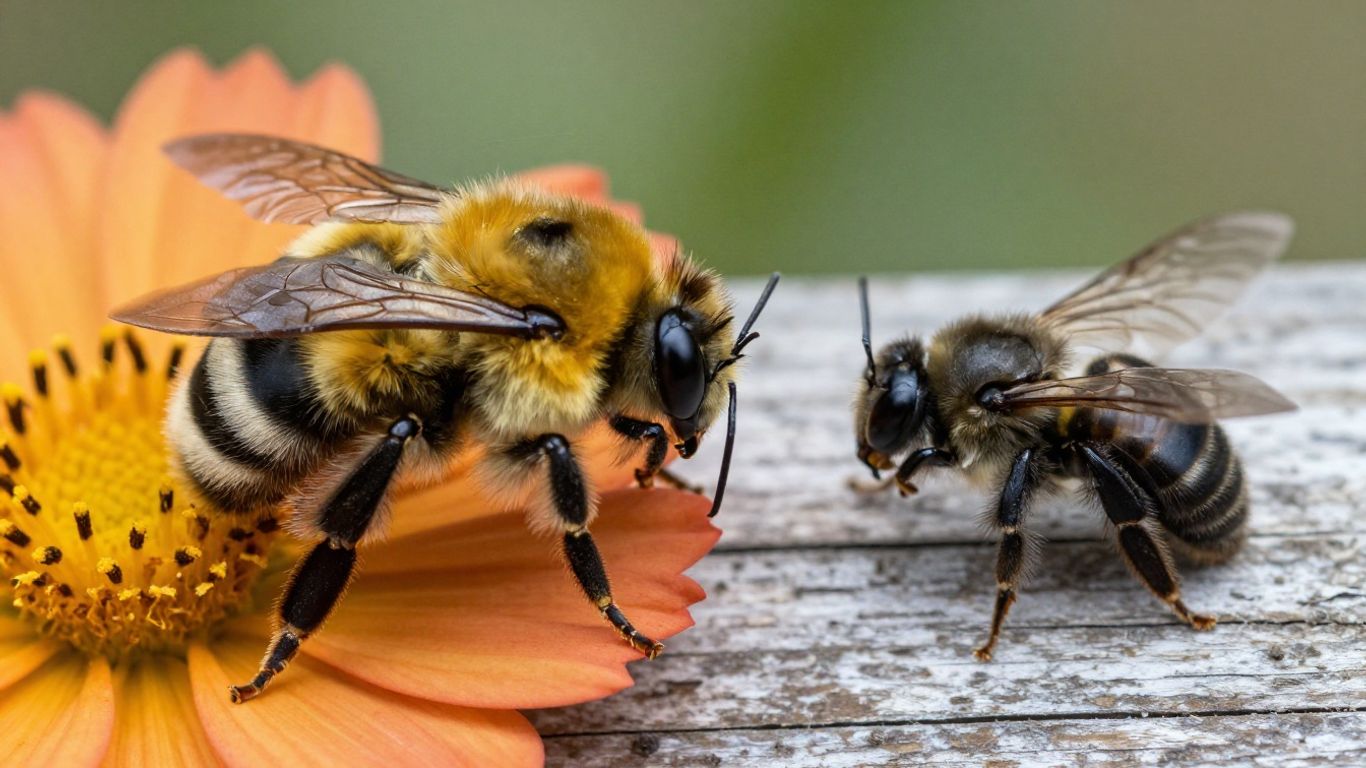
- Bumble Bees: These guys are the fuzzy ones. Their bodies are covered in soft hairs, and they usually have distinct yellow and black bands. Some might even have a bit of orange.
- Carpenter Bees: These bees have a much sleeker look. Their abdomens are smooth, shiny, and completely black. They almost look metallic, and you won’t find any fuzz on their rear ends.
Behavior Differences: How Each Bee Lives and Moves
Beyond how they look, their behavior tells you a lot too. Carpenter bees are often seen hovering and darting around, sometimes seeming to “chase” each other. Male carpenter bees are known for their territorial “dive-bombing” displays if you get too close to their nesting spots, but don’t worry, they can’t sting. Female carpenter bees can sting, but they’re pretty reluctant to do so unless seriously provoked. They’re more focused on drilling their tunnels. You can often spot the signs of their work, like perfectly round holes in your deck or fence, and piles of sawdust underneath.
Bumble bees, on the other hand, are usually busy flitting from flower to flower. They’re social insects, living in colonies, often in old rodent burrows or other sheltered spots underground. They tend to ignore people and are focused on their pollination duties. While they can sting if they feel their nest is threatened, they’re generally not aggressive. The bee sting difference is significant here; bumble bees are more likely to defend their colony than a solitary carpenter bee is to defend its individual nest. If you’re dealing with a bee problem, understanding these differences can help you figure out the best approach for pest control in Ottawa.
Carpenter Bees: The Wood-Boring Threat to Ottawa Homes
When you think of bees, you might picture fuzzy bumblebees or busy honeybees. But there’s another type of bee out there that can cause a bit more trouble for homeowners: the carpenter bee. These aren’t your typical pollinators; they’re the ones with a knack for drilling into wood. If you’ve noticed small, round holes appearing in your deck, fence, or even the eaves of your house, you might be dealing with these wood boring bees.
What Are Carpenter Bees?
Carpenter bees are often mistaken for bumblebees because they look pretty similar – large, black, and fuzzy. However, there’s a key difference: carpenter bees have a shiny, black abdomen, while bumblebees have a fuzzy, often yellow and black, abdomen. They’re called “carpenter” bees because of their habit of boring into wood to create nests. Unlike termites, they don’t eat the wood; they just tunnel through it to make homes for themselves and their young. This tunneling can weaken wooden structures over time, especially if left unaddressed.
Signs of a Carpenter Bee Infestation in Your Home
Spotting carpenter bees is one thing, but knowing if they’ve moved in is another. Keep an eye out for these telltale signs:
- Round Holes: These are the most obvious clue. You’ll see perfectly round holes, about the size of a dime, drilled into wooden surfaces. They’re usually about half an inch in diameter.
- Sawdust Piles: As the bees drill, they push sawdust out of the holes. You might find small piles of this sawdust directly below the entry points.
- Yellowish Stains: The bees often leave behind excrement stains below their holes, which can look like yellowish streaks on the wood.
- Visible Bees: You might see the bees themselves hovering around wooden structures, especially in the spring when they’re looking for nesting sites.
Where Carpenter Bees Nest: Decks, Fences & Roof Damage
Carpenter bees aren’t picky about where they set up shop, as long as the wood is untreated and somewhat soft. They love to drill into:
- Decks and Porches: Railings, support beams, and deck boards are prime real estate.
- Fences: Especially older, weathered wooden fences.
- Soffits and Fascia Boards: The underside of your roofline is a common target.
- Wooden Furniture: Adirondack chairs and other outdoor wooden furniture can also be affected.
- Sheds and Playhouses: Any exposed wood is fair game.
Over time, these tunnels can get longer and deeper, and new bees might expand existing galleries. This repeated tunneling can lead to significant structural damage, making your home more vulnerable to water damage and rot. It’s important to address carpenter bee activity as soon as you notice it.
Do Carpenter Bees Sting or Bite? Are They Dangerous?
This is a common question, and the answer is a bit nuanced. Female carpenter bees can sting, but they are generally quite docile and rarely do so unless they feel directly threatened or are handled. Male carpenter bees, on the other hand, cannot sting at all. They are the ones you’ll often see buzzing around aggressively, but they’re just trying to defend their territory. While a sting can be painful, carpenter bees aren’t considered aggressive or particularly dangerous to humans or pets. The main danger they pose is to your home’s wooden structures. If you’re concerned about potential stings, especially if you have allergies, it’s always best to keep a safe distance and avoid disturbing them.
Bumble Bees: Pollinators That Can Still Invade Your Property
While carpenter bees get a lot of attention for their wood-boring habits, bumble bees, though generally more docile, can also become a nuisance if they decide to nest too close for comfort. These fuzzy, buzzing insects are super important for pollination, helping our gardens and local ecosystems thrive. But when a colony sets up shop right by your back door or a busy patio, things can get a little tricky, especially if you or someone in your family has allergies.
What Are Bumble Bees?
Bumble bees are easily recognizable by their plump, fuzzy bodies, often sporting yellow and black stripes, though some species have different color patterns. Unlike the solitary carpenter bee, bumble bees are social insects. They live in colonies, and each spring, a queen bee emerges from hibernation to find a suitable spot to start a new nest. These nests grow throughout the summer as more workers hatch.
Where Bumble Bees Nest: Ground, Walls & Attics
Bumble bees usually prefer to nest underground. Think old rodent burrows, under dense grass, or tucked away in piles of leaves, stones, or logs. They aren’t typically looking to tunnel into your house like carpenter bees. However, sometimes they might find a cozy spot in less conventional places. You might find them nesting above ground in wall voids, within piles of firewood, in sheds, crawl spaces, or even, though rarely, in an attic. It’s not their first choice, but it happens.
- Common Nesting Spots: Abandoned rodent holes, under dense vegetation, beneath logs or stones.
- Less Common, But Possible: Wall voids, sheds, crawl spaces, attics, firewood piles.
- Avoidance: They generally avoid actively maintained structures unless there’s an inviting, undisturbed space.
Do Bumble Bees Sting? When Are They Dangerous?
Bumble bees can sting, and they will defend their nest if they feel threatened. This is a key difference from male carpenter bees, who can’t sting at all, and female carpenter bees, who are quite reluctant to do so unless directly handled. Bumble bees, on the other hand, are more likely to sting to protect their colony. While a single bumble bee sting is usually not a major medical emergency for most people, a nest located near your home can increase the chances of multiple stings, which can be dangerous for individuals with severe allergies. If you suspect a nest is too close for comfort and there’s a risk of stings, it’s best to call in the professionals.
Preventing Carpenter Bee & Bumble Bee Infestations
Alright, so you’ve got bees, and you want them gone, or at least, you want to stop them from setting up shop in your favorite spots. It’s not always about getting rid of them entirely, especially with bumble bees who are pretty important pollinators. For carpenter bees, though, it’s mostly about protecting your wood.
The best defense against carpenter bees is to make your wooden structures less inviting. They really love bare, weathered wood. So, painting or staining all your exposed wood is a big step. Think decks, fences, eaves, and any outdoor furniture. Make sure you get all sides, especially the ends of boards and fascia boards. Carpenter bees can get behind things, so a good paint job on all surfaces is key. If you’re replacing wood, consider using hardwoods like oak or maple, as they’re a bit tougher for the bees to bore into.
Here’s a quick rundown of what you can do:
- Paint or Stain: Cover all exposed wood, especially deck ends and fascia boards, before spring. Fresh paint is even less appealing to them.
- Seal Openings: Use caulk to fill any cracks, crevices, or existing holes in wooden structures. This is super important for carpenter bees, as they often reuse old tunnels.
- Wrap Vulnerable Areas: For fascia boards, wrapping all three sides with vinyl or aluminum siding is a really effective way to stop them from nesting. They can’t chew through metal or vinyl.
- Regular Inspections: Check your property each spring for new holes, sawdust piles, or signs of drilling. Catching it early makes a huge difference.
Bumble bees are a different story. They usually nest in the ground, in old rodent burrows, or sometimes in wall voids or attics, but it’s less common. If their nest isn’t bothering you or posing a health risk (like if someone has allergies and it’s near a doorway), it’s often best to just leave them be. They’re important for pollination, after all. If you do need to deal with a bumble bee nest, it’s usually because it’s in a high-traffic area or someone is allergic.
If you’re dealing with a persistent carpenter bee problem or a bumble bee nest in a tricky spot, it might be time to call in the pros. They have the tools and knowledge to handle it safely and effectively, especially when it comes to preventing carpenter bee damage.
Professional Bee Removal in Ottawa: When DIY Isn’t Enough
When you’re dealing with a persistent bee problem, especially if you’ve got kids or pets around, or if anyone in the house has allergies, it’s time to call in professional Bee Removal services like getemoutwildlife. Their team has the right tools and expertise to safely remove carpenter bees and bumble bee nests without causing damage to your property or putting your family at risk. Instead of relying on temporary DIY fixes, professional removal ensures the problem is handled the first time. If you’re noticing ongoing bee activity or signs of damage around your home, reaching out to a trusted expert like Getemoutwildlife can save you time, stress, and costly repairs in the long run.
Here’s what you can expect when you call a professional service:
- Inspection: They’ll come out and figure out exactly what kind of bees you have and where their nests are. This isn’t always obvious, especially with bumble bees nesting underground.
- Treatment Plan: Based on the inspection, they’ll suggest the best way to remove the bees. This might involve specific treatments for carpenter bee galleries or safe removal of a bumble bee nest.
- Prevention Advice: Good pest control companies will also give you tips on how to make your home less attractive to bees in the future. This could be anything from sealing up entry points to recommending specific types of wood or finishes.
Don’t wait until the problem gets out of hand. If you’re seeing a lot of bee activity or signs of damage, reaching out to a local pest control service in Ottawa is usually the smartest move. They can handle everything from identifying the species to making sure they’re gone for good.
Wrapping It Up: Bees and Your Home
So, we’ve gone over the differences between carpenter bees and bumble bees. Remember, carpenter bees are the ones drilling into your wood, leaving those neat little holes and sawdust. Bumble bees, on the other hand, are usually fuzzy and prefer to nest underground. While male carpenter bees can’t sting and females rarely do unless provoked, bumble bees can be more defensive of their nests. The main issue with carpenter bees is the damage they can do to your home’s wood, sometimes leading to extra problems with woodpeckers. Bumble bees aren’t usually a structural threat, but their nests can be a concern if someone in your household has allergies. The good news is that keeping your wood painted or stained is a solid way to keep carpenter bees away. And for bumble bees, sealing up any holes in the ground can help prevent them from setting up shop. If you’re unsure or dealing with a serious infestation, calling in a professional is always a smart move.
Frequently Asked Questions
How can I quickly tell the difference between a carpenter bee and a bumble bee?
Look at the bee’s belly. Carpenter bees have a shiny, smooth, black belly that looks almost metallic. Bumble bees have a fuzzy, hairy belly with yellow and black stripes. Carpenter bees are also usually a bit bigger than bumble bees.
Will carpenter bees ruin my house?
Carpenter bees drill round holes into wood to make nests. They don’t cause serious structural damage, but they can leave ugly holes and stains on decks, fences, or roof edges. If you see lots of holes, the damage can get worse over time.
Do carpenter bees or bumble bees sting people?
Female carpenter bees can sting but almost never do unless you bother them a lot. Males can’t sting at all. Bumble bees can sting if they feel their nest is threatened, and they may sting more than once. Both can be dangerous for people with allergies.
Where do bumble bees usually build their nests?
Most bumble bees build their nests underground, often in old animal burrows or under piles of grass and leaves. Sometimes, but rarely, they might nest in walls, sheds, or attics.
How can I stop carpenter bees from making holes in my wood?
Paint or seal all exposed wood around your house, like decks and railings. Carpenter bees like bare, weathered wood best. Filling cracks and using hardwood instead of softwood can also help keep them away.
Should I try to remove a bee nest myself or call a professional?
If bees are not bothering you, it’s best to leave them alone. But if they are close to where you walk or play, or if anyone in your home is allergic, call a pest control expert. Professionals have the right tools and know how to remove bee nests safely.
