
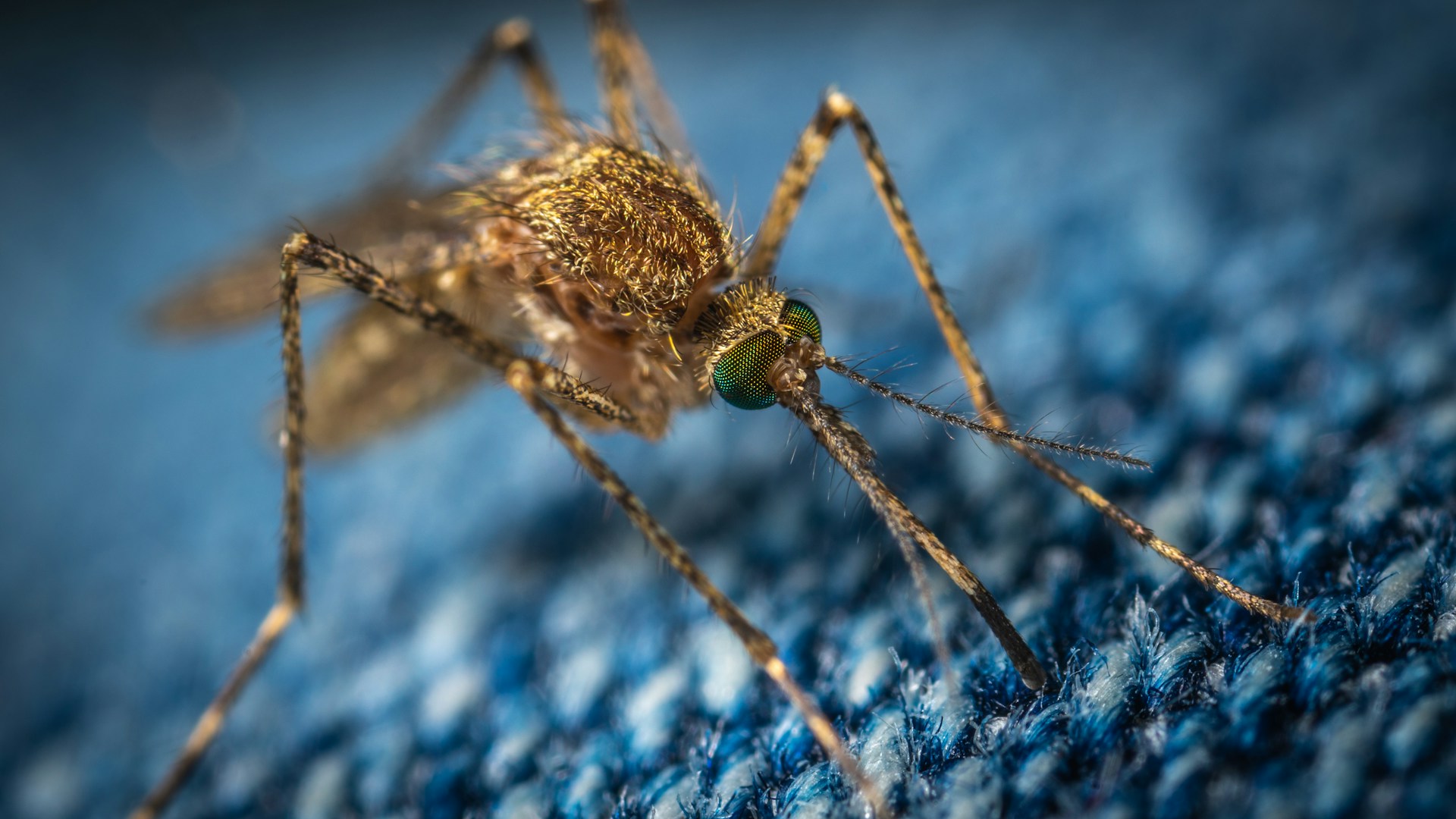
Adult mosquitoes, like other insects, have three body parts. These are their head, thorax, and abdomen – each featuring long legs connected by membranous wings with scaled surfaces attached at their thoraces; three pairs of long legs connect these scaled wings directly to halteres that attach at their thoraces; these wings vary widely in shape, pattern, and color depending on species; some boast brilliantly-patterned and colored wings! Body size generally ranges between 4-10mm while the head features a beak used for feeding (which females modify into needle-like stylet structures designed specifically to pierce blood from hosts). Male mosquitoes sport long feathery antennae while female antennae have slightly hairy antennae for sucking blood from hosts while male mosquitoes possess long feathery antennae while female antennae have short feathery antennae.
What Are the Signs of Mosquitoes
One telltale sign of mosquito infestation is hearing buzzing sounds made by female mosquitoes as they fly, followed by bites and seeing adults resting on walls, vegetation, or similar resting sites during daytime. Another common indicator is larvae (wrigglers), often attached to vegetation or objects within stagnant water and seeming attached when disturbed before diving back down when disturbed – together with these immature stages there may also be “comma-shaped pupae,” called tumblers which show active breeding taking place.
How to Prevent Mosquitoes
Remove all standing water sources, drain bird baths and decorative pots of their water content, fill redundant ditches/holes as soon as they appear, maintain clear ponds/fountains with no obstructions such as tall vegetation trim back any tall grass, retrofit storm drains/catch basins as appropriate and wear insect repellent and protective clothing to thwart mosquitos from breeding in your garden or home environment.
Where Do Mosquitoes Live
Most mosquitoes prefer still water for breeding purposes as running streams will quickly wash out eggs, larvae, and pupae from breeding cycles. Ideal habitats include storm sewers, flooded areas, tree holes with old tyres in them for water to accumulate for at least three days at a time; tall, shady vegetation near water sources, or protected resting places when not searching out hosts to feed on. Indirect sunlight or sufficient cloud cover are usually better conditions than direct sun.
What Do Mosquitoes Eat?
Both male and female mosquito species feed on sugar sources like plant nectar, honeydew, fruit juice, or plant secretions from flowers such as nectarines. Female mosquito species require blood for egg production so only female mosquito species bite and feed upon blood. Mosquito species tend not to have strong host preferences but the specificity varies by environment such as mammals and birds for bites while reptiles and amphibians could all provide hosts. Attractors feed upon various dead and living micro-organisms including algae bacteria fungi as well as flotsam floating by. Larvae feed upon various dead and living micro-organisms found within aquatic environments they inhabit such as algae bacteria fungi even flotsam!
How Long do Mosquitoes Live?
Mosquitoes undergo complete metamorphosis over their lives with four distinct stages – eggs, larvae, pupae, and adults – each stage leading to another one until adults emerge as fully developed insects. Egg rafts or single eggs laid directly in water may hatch within 2-3 days while delayed-hatching eggs require several days or weeks until submersion by water eventually leads to hatching. When mosquitoes lay eggs they follow two distinct cycles – direct hatching or delayed hatching cycles once laid on moist substrates directly over shallow standing water before hatching or delayed hatching occurs later when submersion happens once submersion by water once submersion happens again.
Eggs laid by mosquitoes on stagnant water surfaces either singly or collectively hatch into tiny, worm-like larvae known as “wrigglers,” as they move by wriggling their way across it. The larvae live in water and feed on microorganisms and organic matter. After developing, larvae transform into pupae, also known as “tumblers.” Mosquito pupae remain in water but do not feed. During this stage, they develop into adult mosquitoes, which emerge from the pupal case and leave the water.
Lifecycle of mosquitos.
Adult mosquitoes have different lifespans depending on their species, sex, and environmental conditions. Mosquitoes develop through four life stages: egg, larva, pupa, and adult.
Let’s break this down:
Eggs: Female mosquitoes lay eggs in or near water, depending on the species. Many females need a blood meal to produce eggs, although some species can lay their first batch without one. Eggs may be laid individually or in groups.
Larvae: After hatching, mosquito larvae, commonly called “wigglers,” live in water and feed on microorganisms and organic matter. They breathe at the water’s surface or obtain oxygen in other ways, depending on the species. Larvae must develop in suitable aquatic conditions before becoming pupae.
Pupae: Mosquito pupae live in water and do not feed. During this stage, they transform into adult mosquitoes.
Adults: Adult mosquitoes emerge from the pupal stage and leave the water. Their lifespan varies with species, sex, and environmental conditions.
Should I Be Concerned About Mosquitoes
Are mosquito bites dangerous to my health? More than simply an inconvenience, mosquitoes pose real threats in terms of painful inflammation caused by bites as well as transmitting pathogens responsible for malaria, West Nile virus infection, encephalitis virus complex disease transmission, and filarial heartworm infection to dogs.
Area We Serve
Searching for dependable pest management solutions in Ottawa and its neighbouring regions? Your search ends here with Get ‘Em Out Wildlife Control! Our top-notch pest control services guarantee a pest-free atmosphere, granting you the peace of mind to relish hassle-free living in Brockville, Russell, Arnprior, Kingston, Embrun, Carleton, Kanata, Kemptville, Nepean, Orleans, Stittsville, Barrhaven, Cornwall, Greely, Glebe, and beyond. For more details, feel free to reach out to us today!