
Get A Quote
Save Your Wardrobe with Proven Ottawa Clothes Moth Control
Get ‘Em Out provides Clothes Moth removal in Ottawa built to stop fabric damage right at the source. We find the breeding spots and treat where larvae are feeding and hiding: closets, storage bins, baseboards, carpet edges, under furniture. Once that’s done, we’ll show you practical prevention steps, like airtight storage and rotating your items, to keep your fabrics safe going forward.
Moths in the closet? Schedule service now and prevent more fabric damage.
Danger / Damage
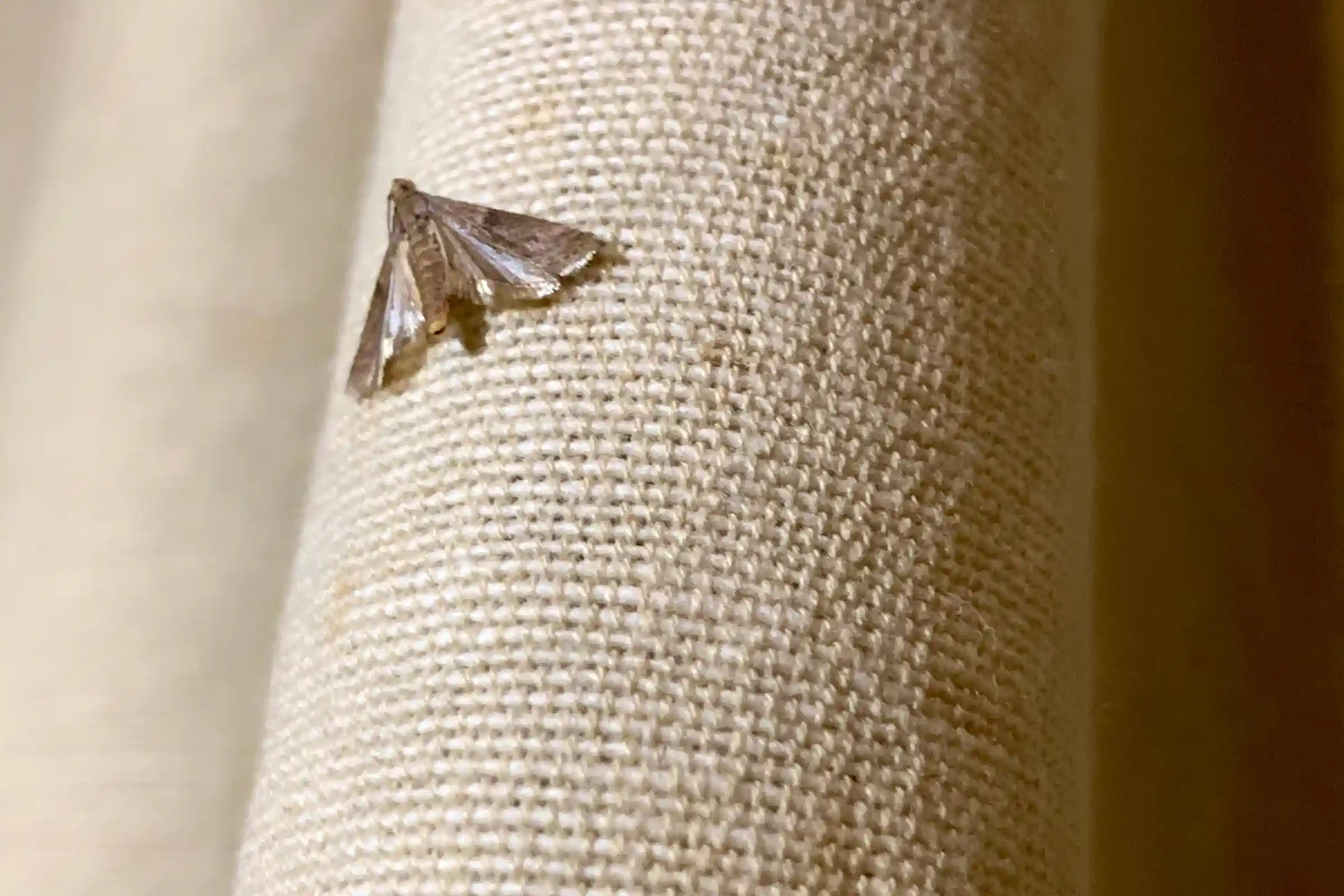
Clothes moths aren’t dangerous to people, but they can be costly. The larvae feed on natural fibers, especially wool, cashmere, silk, felt, and fur, and can also damage rugs, carpet edges, and upholstery, often in dark, undisturbed storage. Clothes Moth Removal works best when it targets these hidden feeding areas, so you stop new holes and prevent repeat damage.
Active Months
In Ottawa, clothes moths can remain active year-round indoors because heated homes maintain stable conditions. Activity increases in warmer months and any time closets, drawers, and storage bins go undisturbed for extended periods. Early Clothes Moth removal helps prevent larvae from spreading to additional garments, rugs, and stored fabrics throughout the home.
Appearance
Adult clothes moths are small and tan/buff-colored, and they usually flutter rather than fly strongly. Hidden signs of feeding matter more than adults, including webbing, shed skins, larvae casings, and holes in natural-fiber items.If you’re noticing these around closets, rugs, or storage bins, it often means the feeding source is nearby, so acting early helps prevent new holes and wider fabric damage.
Habitat & Hiding Spots
- Closets, wardrobes, and drawers with wool, cashmere, silk, felt, or fur
- Seasonal storage bins, suitcases, and clothing boxes (especially long-stored items)
- Carpet edges and baseboards, plus under beds and furniture where lint collects
- Rugs, upholstery, and pet bedding, where hair and lint “season” fibers
Targeting these hidden feeding zones helps stop new holes and prevents the problem from spreading to more items.
Life Cycle
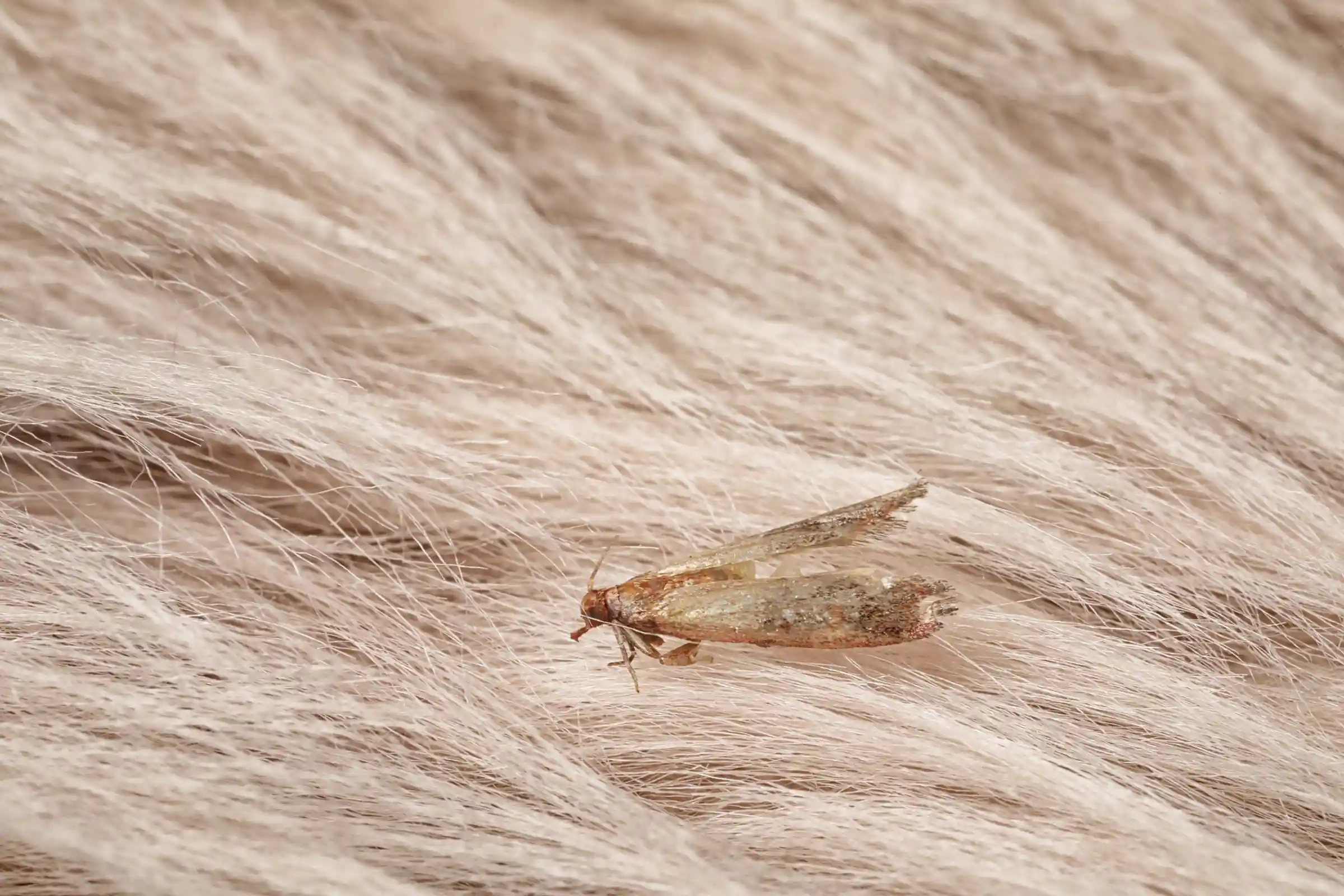
Did You Know?
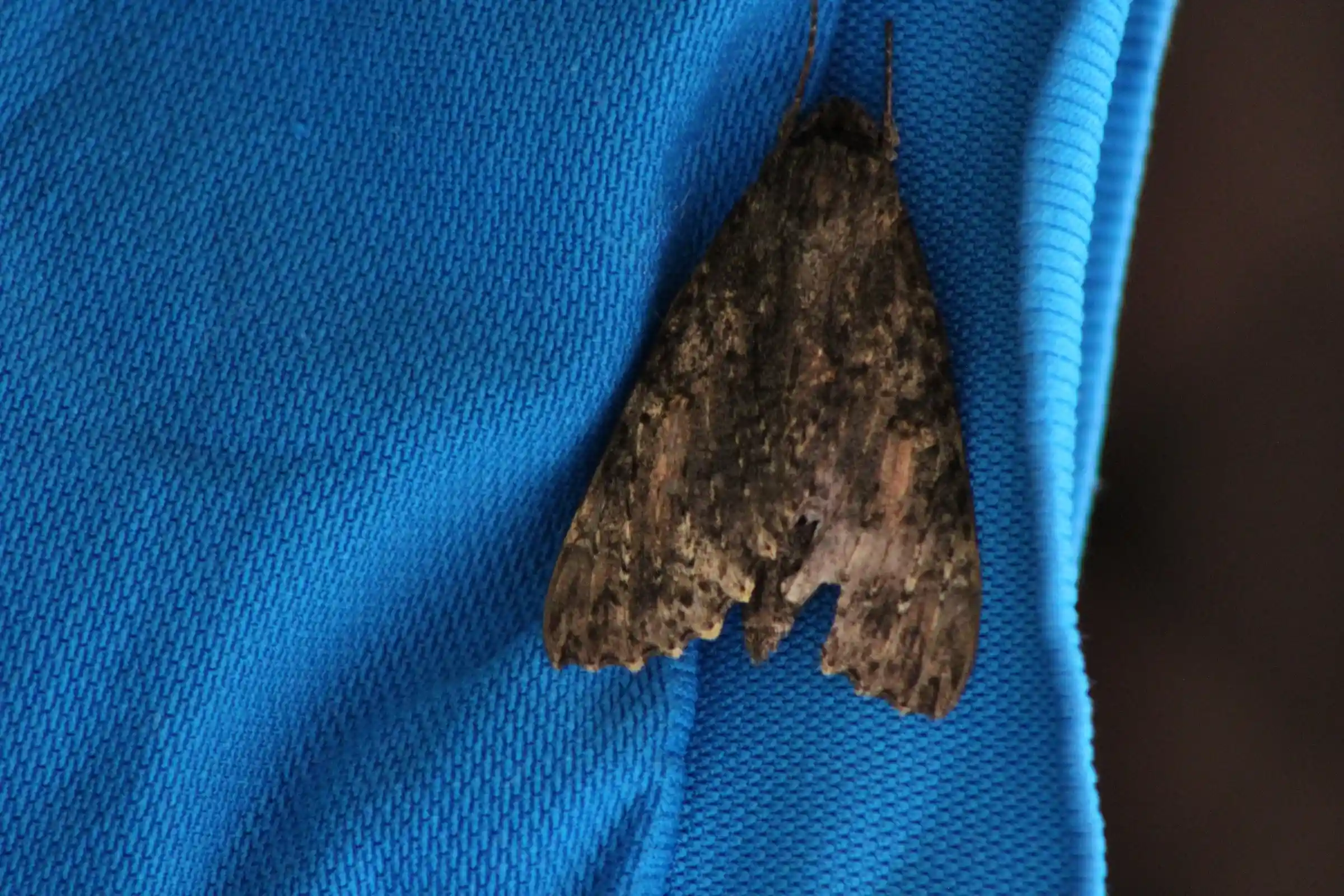
- The larvae do the actual damage, feeding on wool, cashmere, silk, rugs, and upholstery.
- Stored items carry the highest risk. Think closets, bins, and under furniture.
- Lint and pet hair make things worse, giving larvae sheltered spots to feed undisturbed.
- Look out for small holes, thinning fabric, webbing, and shed skins. The telltale signs.
- Prevention doesn’t take much. Airtight storage and regular cleaning go a long away toward stopping repeat issues.
Don’t wait on this one. Acting quickly keeps the damage from spreading further.
What Our Customers Are Saying




FAQ | Clothes Moth Problems
Are clothes moths dangerous?
What causes clothes moths in Ottawa homes?
How do I know if I have a clothes moth infestation?
How are clothes moths removed professionally?
When should I call a professional?
Watch Us In Action
Schedule Your Expert Clothes Moth Removal in Ottawa Today
Clothes moth damage doesn’t stop on its own. Larvae keep feeding in closets, storage bins, and under furniture until you address the source. At Get ’Em Out, our clothes moth removal experts find and treat active feeding areas to stop the damage before it spreads and keep your fabrics protected.
Book today to keep your wardrobe and fabrics safe.
Get in Touch
OTTAWA / GATINEAU
23 Slate Street, Stittsville, Ontario, K2S 1Y7
Phone: 613-852-6423
Email: service@getemoutwildlife.com
Hours:
Monday – Friday: 8 AM – 8 PM
Saturday: 9 AM – 5 PM
Sunday: CLOSED